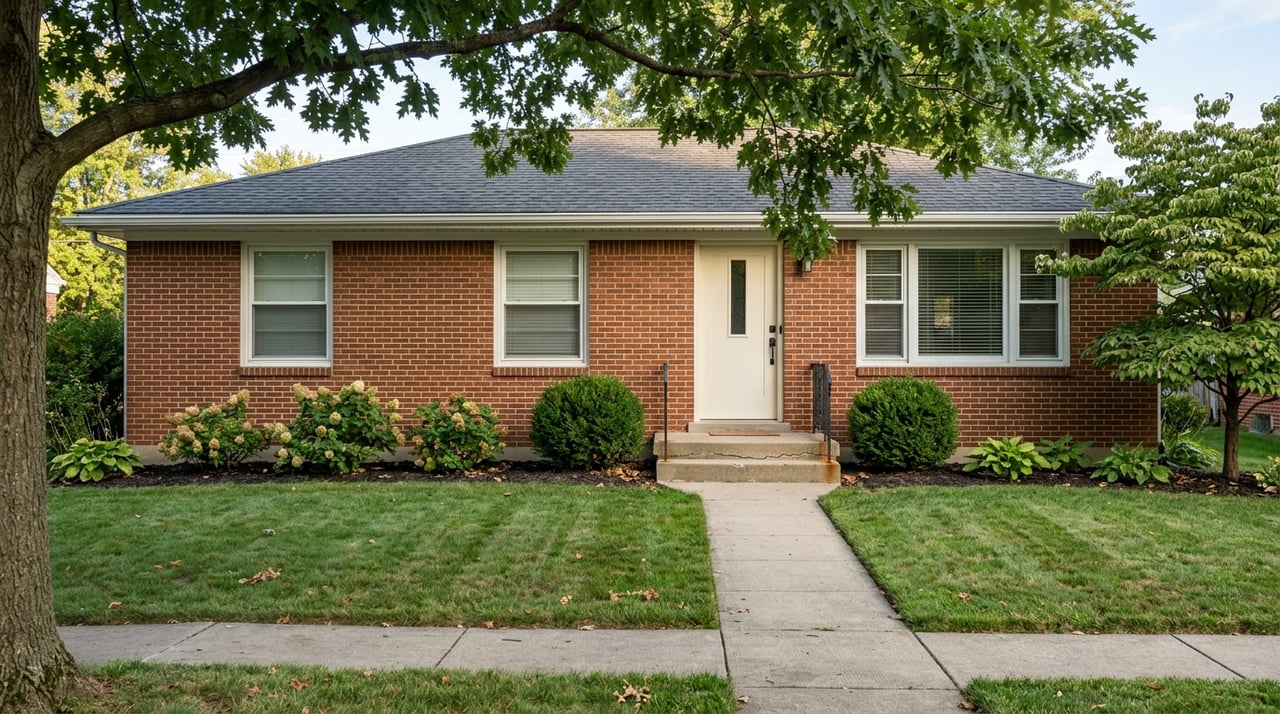
Buying your first home in Mission, KS can feel exciting right up until you realize how fast you may need to make decisions. In a market with tight inventory and quick-moving listings, it helps to know what matters most before you start touring homes. If you want a clearer picture of costs, timing, and what to expect after you go under contract, this guide will help you prepare with confidence. Let’s dive in.
Why Mission appeals to first-time buyers
Mission offers a housing mix that can give first-time buyers more than one path into homeownership. According to U.S. Census QuickFacts for Mission, the city’s owner-occupied rate is 45.6%, the median value of owner-occupied homes is $268,500, and median monthly owner costs with a mortgage are $1,570.
That monthly payment number matters. With median gross rent at $1,181 in Mission, the decision to buy is not only about the purchase price. It is also about whether the full monthly cost fits your budget and long-term plans.
Mission also has a broader housing mix than many buyers expect. Point2Homes neighborhood demographics report that the local housing stock includes detached homes, attached homes, smaller multifamily buildings, and larger apartment buildings, with a median construction year of 1972.
For you, that means your first home in Mission may not look the same as someone else’s. Depending on your goals and budget, you may be comparing a detached house, a townhome-style property, or another home type in an established area.
What Mission market speed means
One of the biggest lessons for first-time buyers in Mission is simple: preparation matters because the market can move quickly. Redfin’s Mission housing market snapshot showed a median sale price of $347,500, a median of 2 days on market, and a very competitive environment in its February 2026 update.
Another market snapshot from Realtor.com showed different exact numbers, but the same overall message: supply is tight. When multiple sources point to limited inventory and fast movement, it is a sign that you should be ready before the right home appears.
That does not mean you need to rush blindly. It means you should have your financing, budget, and priorities sorted out early so you can act with confidence instead of scrambling under pressure.
Focus on monthly costs first
First-time buyers often start with list price, but monthly cost is usually the better anchor. Mission’s Census figures show median monthly owner costs with a mortgage at $1,570, which makes budgeting especially important in this market.
When you build your budget, think beyond principal and interest. You also need room for property taxes, homeowners insurance, utilities, maintenance, and closing costs.
The Consumer Financial Protection Bureau says closing costs typically run about 2% to 5% of the purchase price, excluding your down payment. For a first-time buyer, that can be a major part of your upfront cash needs.
A smart way to prepare is to break your numbers into three buckets:
- Your down payment
- Your estimated closing costs
- Your monthly comfort zone after closing
That approach gives you a more realistic picture than looking at sale price alone.
Understand Mission’s housing stock
Mission’s housing stock can create both opportunity and homework for first-time buyers. Because the median construction year is 1972, many homes may have older systems, layouts, or features that deserve closer review during the buying process.
That does not make older homes a bad choice. It simply means you should pay attention to condition, maintenance history, and likely future repair needs, especially if you are stretching to buy your first property.
Point2Homes also notes a mix of detached homes and multifamily properties, while a recent city report referenced active multifamily and townhome infill that could add about 1,100 units or apartments if completed. In practical terms, Mission is not a one-format housing market, and that variety can affect both your options today and resale appeal later.
Move fast, but stay organized
In a competitive market, speed helps only if you are organized. Before you make an offer, it helps to know your must-haves, your nice-to-haves, and your deal breakers.
You should also be ready for the basic timeline that follows an accepted offer. According to the National Association of Realtors consumer guide on steps between signing and closing, buyers typically move through escrow, underwriting, appraisal, title work, and insurance after the purchase agreement is signed.
Rocket Mortgage notes that closing often takes about 30 to 45 days on average, and the CFPB explains that certain key disclosures and lender steps happen along the way. Even after you win the house, there is still a process to manage.
Inspection and appraisal are not the same
This is one of the most important things first-time buyers need to know. A home inspection and an appraisal serve different purposes.
HUD’s home inspection guidance explains that the inspection is arranged by the buyer to identify physical condition issues that may not be obvious during a showing. The appraisal, on the other hand, is the lender’s opinion of value.
The CFPB’s appraisal explanation says the appraisal helps confirm that the purchase price aligns with the property’s value. If the appraisal comes in low, you may need to renegotiate with the seller or bring additional cash.
For many first-time buyers, the inspection is where the real education begins. It can reveal repair issues, maintenance concerns, or system updates you need to budget for after closing.
Watch your inspection timeline
The inspection period can move quickly, so do not wait to schedule it. Rocket Mortgage notes that a common inspection window is around 7 to 10 days, though the contract controls the exact timing.
That short timeline matters in Mission, where buyers may already feel pressure from a fast-moving market. The sooner you schedule the inspection, the more time you have to review findings and decide next steps before any contingency deadlines expire.
If your contract includes an inspection contingency, HUD and CFPB guidance indicate you may have options to renegotiate or cancel under the terms of the agreement if significant issues are found. This is one reason process clarity matters so much when you are buying your first home.
Think about resale from day one
Your first home may not be your forever home, so resale should still matter. Based on Mission’s mix of older housing and ongoing multifamily and townhome additions, practical features can be just as important as size.
Homes with functional layouts, well-maintained systems, and strong curb appeal may feel more approachable to future buyers. That is not a formal rule, but it is a reasonable way to think about long-term value in a market with varied housing choices.
As you compare homes, it helps to ask questions like:
- Does the layout work for everyday life?
- Do the major systems appear well maintained?
- Will this home likely appeal to a broad set of future buyers?
- Am I buying something I can comfortably maintain?
Those questions can help you balance emotion with practicality.
Pay attention to city reinvestment
Mission’s long-term appeal is not only about individual homes. The city’s official documents describe spending on residential street preservation, along with utility coordination and street reconstruction work, as noted in the City of Mission audit report.
For you as a buyer, that can signal ongoing reinvestment in the city’s infrastructure. At the same time, it is wise to understand that some areas may experience temporary construction or roadwork while projects are underway.
This is the kind of local context that matters when you are choosing where to buy, especially if you plan to stay for several years.
Know the homeowner programs available
Some first-time buyers focus so much on getting to closing that they miss programs that may help after move-in. Mission has a few local homeowner programs worth knowing about.
According to the City of Mission’s 2026 Community Rebate Program update, qualifying low- to moderate-income homeowners may receive rebates on city property taxes and certain utility, solid-waste, and stormwater fees. The city reported an average rebate of $890 for qualifying homeowners in 2025.
The same city update notes that Mission Possible helps qualifying homeowners with minor repairs, accessibility or barrier removal, painting, and tree trimming. If you are buying your first home and trying to plan for ownership costs, these local resources are worth reviewing after closing to see whether you qualify.
How to prepare before you buy
If you want to buy your first home in Mission, the best next step is to prepare before you fall in love with a property. In a fast market, clear numbers and a clear plan can make a major difference.
A strong first-time buyer checklist includes:
- Set a realistic monthly budget
- Save for both down payment and closing costs
- Learn the likely inspection and closing timeline
- Understand the difference between inspection and appraisal
- Keep resale in mind while you shop
- Ask local questions about housing stock, infrastructure, and ownership costs
Buying your first home should feel exciting, not chaotic. With the right local guidance and a clear strategy, you can move through Mission’s market with more confidence and fewer surprises.
If you are thinking about buying in Mission and want white-glove guidance built around your budget, timeline, and long-term goals, connect with LUX Network KC. Their team brings neighborhood insight, clear communication, and elevated service to every price point.
FAQs
What should first-time buyers in Mission, KS budget beyond the down payment?
- The CFPB says closing costs typically run about 2% to 5% of the purchase price, excluding the down payment, so you should budget for those costs along with your expected monthly housing expenses.
How fast do homes sell in Mission, KS?
- Recent market snapshots show a tight market, with Redfin reporting a median of 2 days on market in its February 2026 update, which suggests you should be prepared before making offers.
What is the difference between a home inspection and an appraisal in Mission, KS?
- A home inspection helps you evaluate the property’s physical condition, while an appraisal is the lender’s opinion of value used to confirm that the purchase price aligns with the home’s market value.
How long does closing usually take after an offer is accepted in Mission, KS?
- NAR and Rocket Mortgage indicate that the process after signing can take several weeks, with many closings averaging about 30 to 45 days depending on financing, appraisal, title work, and other steps.
Are there homeowner assistance programs in Mission, KS after closing?
- Yes. The City of Mission offers programs including the Community Rebate Program and Mission Possible for qualifying homeowners, which may help with certain taxes, fees, repairs, and accessibility-related improvements.