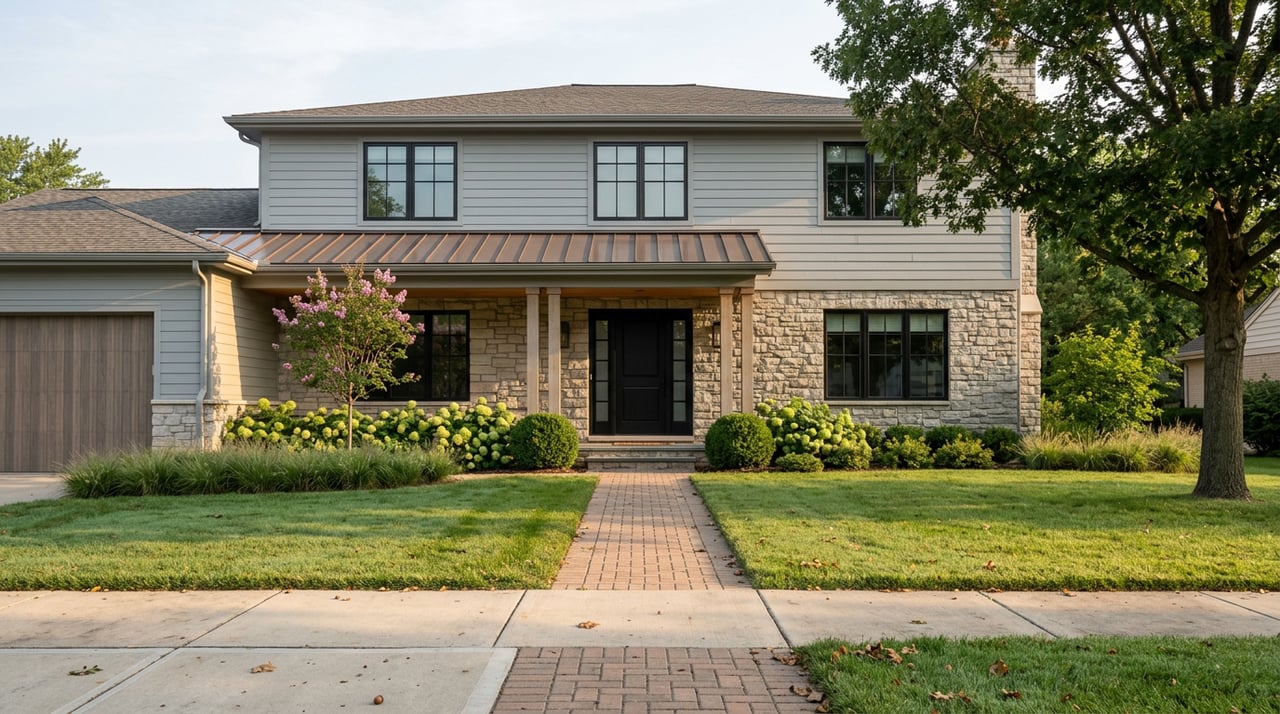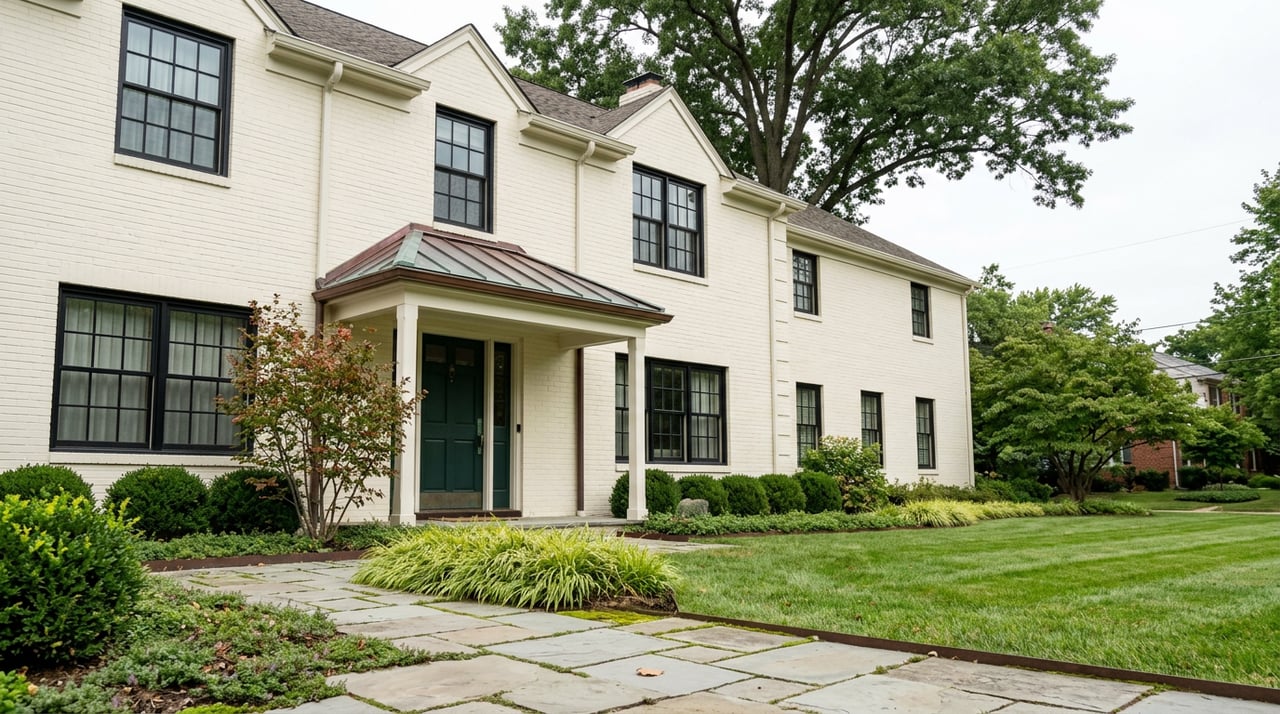
On a Monday evening in July 2025, the Prairie Village City Council spent part of its meeting debating something that sounds almost trivial: noise ordinance fines. Ward 2 councilmembers Inga Selders and Ron Nelson brought the issue forward after residents complained, repeatedly, about construction noise tied to teardown-rebuild projects. One resident running for council that November described what he'd heard walking the ward: construction debris, portable toilets, crowded streets, and what he called "massive houses dominating existing homes." The council voted 11-0 to direct staff toward stiffer fees and enforcement, but pulled back from anything more aggressive, like caps or quotas, after staff warned that route would likely invite legal challenges.
The noise complaints were real. But they were also a symptom, not the disease. What's actually happening in Prairie Village is a market that has quietly split into two products that share a zip code and, on paper, a similar price range, but operate on completely different logic. If you're shopping there right now, or trying to figure out when to list, understanding that split matters more than any single number a portal will show you.
What the Council Meeting Was Really About
Prairie Village is close to fully built out. It was platted in 1941 and developed through the 1940s and 1950s by the J.C. Nichols Company as one of the first planned postwar suburbs in the Kansas City area, and there's essentially no raw land left to develop. That single fact changes how appreciation works here compared to a growing suburb further out.
In a city with available land, home values rise because more people want in and builders can meet that demand with new supply. In a city with no available land, the same demand has to express itself differently: through the value of the dirt underneath existing houses. When a 1950s brick ranch on a good lot sells to a builder instead of a family, the price reflects what that lot is worth as a site for a new $1.5 million house, not what the existing structure is worth to live in.
City documents show how consistently this has been happening. Between 2019 and 2022, Prairie Village added 50 to 70 new homes a year in a city with almost no vacant land, meaning nearly all of that activity was teardown-rebuild. In 2023, 50 new homes went up, built by 21 different builders, but more than half of those homes came from just three unnamed builders. In 2024, the pattern held: 45 new homes across 18 builders, with three builders again responsible for 24 of them. A small number of players are doing a large share of the demolition and rebuilding, which tells you this isn't scattered individual choice. It's a repeatable business model.
The Number That Explains the Council's Frustration
Mayor Eric Mikkelson has been direct about where this leads. In 2026, the average appraised home value in Prairie Village topped $600,000, up from an average appraisal of roughly $245,000 in 2016. That's not quite tripling in a decade, but close, and it's happening in a city Mikkelson says used to be reachable for essential service workers.
"Every year, you lose a band of professions that can afford to live in Prairie Village."
He's worried the city is becoming, in his words, a southern extension of Mission Hills, the notably higher-priced suburb just to the north.
Here's the mechanism that connects his comment back to the noise complaints. County appraisals are built from comparable sales. When a teardown-rebuild a few doors down sells for $1.5 million, that sale becomes a comp, and it pulls the appraised value of the neighboring, untouched ranch upward too, even though nothing physically changed about that house. The owner's property tax bill climbs based on a sale they had nothing to do with. That's the quiet pressure behind the visible fight over construction noise: rising land values create rising carrying costs for anyone who wants to just keep living in their original 1950s home, which nudges more of those owners toward selling, often to the same builders who can pay a land price a family buyer, budgeting to actually live in the house, usually can't match.
Why the Median Price You See Is Misleading
This is the part that matters most if you're actually shopping or listing. Market data from March 2026 put Prairie Village's citywide median sale price somewhere between $554,000 and $585,000, depending on which source you check. That range sounds like one market. It isn't.
New-construction inventory in Prairie Village during that same window carried a median listing price near $597,000, but that number blends modest infill builds with custom rebuilds priced between $1.49 million and $1.75 million, typically 3,800 to 4,500 square feet on lots around 7,500 square feet, the same lot sizes as the original postwar ranches they replaced. By September 2026, the citywide median list price had climbed to $644,000, with homes spending a median of 27 days on market.
So when you see "median home price: Prairie Village," you're looking at an average of at least three different products: untouched or lightly updated original ranches and Cape Cods, renovated versions of those same homes, and brand new builds priced for a completely different buyer. A single median can't tell you which one you're actually comparing yourself against on any given street.
The Comp Problem This Creates for Buyers and Sellers
This split creates a real, practical problem once you're under contract, not just a curiosity for browsing listings.
If you're a buyer trying to purchase an original 1950s ranch to live in as-is, and the appraiser pulls recent comps that are dominated by teardown-rebuild sales on the same block, your appraisal can come in artificially high, reflecting land value you have no intention of using. If you're trying to buy a fully renovated home but the appraiser leans on older, unrenovated comps, the appraisal can come in low, creating a financing gap you have to cover out of pocket or renegotiate.
Sellers face the mirror version of this. An outdated ranch on a premium lot might net more money marketed to a builder than to a family, but only if it's positioned and priced for that buyer from the start. Market it the wrong way, and you can end up with lowball offers from families who see only the deferred maintenance, or with a builder offer priced well below what the lot is actually worth because you didn't establish comparable land sales in your pricing conversation.
The city itself is watching a related version of this play out. In July 2026, the council unanimously approved rezoning for a 20-home redevelopment on the former Paul Henson YMCA site, a property that closed in late 2024 after the city passed on a longtime plan to turn it into a shared community center. Price Brothers bought the site in July 2025. It's the same land-value logic that drives single-lot teardowns, just applied at the scale of an entire parcel.
There's also a new variable entering the picture. In August 2026, Prairie Village's planning commission began early conversations about complying with Kansas's new SB 418, a state law requiring certain housing types to be approved by right rather than through discretionary review. No specific zoning changes have been proposed yet, but it's worth watching, because any shift toward smaller-footprint or multi-unit housing types could eventually change the pure teardown-to-mansion calculation that's dominated the last several years.
A Few Questions Worth Asking Before You Tour
Does this mean every original ranch in Prairie Village is destined for demolition? No. Builders target specific lot characteristics, typically larger or better-positioned parcels near premium streets. Plenty of well-kept original homes on less builder-attractive lots stay in family hands. But if you're bidding on a home you love as-is, it helps to know whether you're competing against a family buyer or a builder's land offer.
If I'm not selling, does this still affect me? It can. Because county appraisals follow comparable sales, teardown-rebuild activity near your home can raise your assessed value, and your tax bill, even if your house hasn't changed at all. The jump in citywide average appraisals from roughly $245,000 in 2016 to over $600,000 in 2026 reflects that dynamic playing out at scale.
Will SB 418 change this? Possibly, over time, but not yet. The planning commission only opened that conversation in August 2026, and no zoning changes have been adopted. It's a development worth tracking if you're weighing a purchase or sale on a longer timeline.
The Bottom Line
A median price is a useful headline and a poor guide to what you'll actually encounter on a Prairie Village street. Two homes a few blocks apart can carry the same list price and represent entirely different transactions, one priced on livability, one priced on land. Reading that difference correctly, before you write an offer or set a listing price, is the kind of local judgment call that doesn't show up in any portal's market snapshot.
If you're trying to figure out which side of that split your target home, or your own home, actually falls on, LUX Network KC can walk you through the comps that matter. Get Your Free Home Valuation and get an honest read before you make your next move.